ChatGPT or therapy: can AI replace a therapist?

Miglena Radoslavova
October 20, 2026


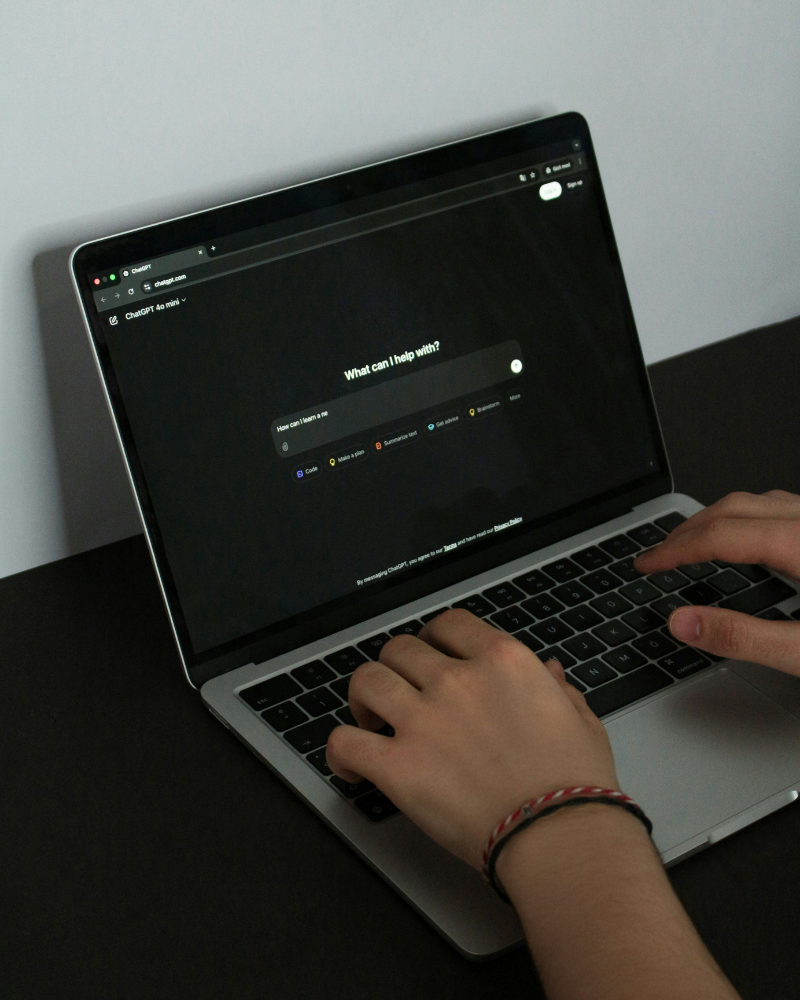
A few years ago, someone trying to understand anxiety, a painful relationship or a confusing reaction might have searched for a book or booked an appointment with a therapist. Today there is another option: open ChatGPT and ask, “Why do I keep doing this?” Within seconds, the response can sound calm, organised and personal. That is one reason AI therapy has become an everyday source of emotional support.
The appeal is understandable. ChatGPT therapy is immediate, available at almost any hour and easier to approach when the subject feels embarrassing or difficult to explain. For some people, an AI therapist is the first place they put private experiences into words. But sounding therapeutic is not the same as providing psychotherapy. The question “can ChatGPT replace a therapist?” needs a nuanced answer, because AI therapy can be useful while remaining limited in ways that matter.
When someone is distressed, the hardest part may be having to explain it to another person. With ChatGPT there is no concern about sounding confused or being judged. That absence of social friction can make AI support attractive even to people who have postponed online therapy.
This can be useful. AI therapy may help someone put language around a vague experience, separate facts from assumptions, or consider another interpretation. A person may use ChatGPT therapy to prepare questions, organise notes or understand a psychological term before discussing it in a session. In this role, AI support works best as a tool for orientation and reflection rather than as a final authority on what a person should think, feel or do.
One of the strongest uses of AI support is organisation. ChatGPT can turn scattered thoughts into themes, help prepare questions before a session and structure observations between appointments. Used this way, ChatGPT therapy supports reflection without pretending to provide the whole psychological picture.
That is very different from asking an AI therapist to diagnose a condition, decide whether a partner is “narcissistic” or tell someone whether to end an important relationship. The more weight a question carries, the more context matters, and AI therapy only knows what a user chooses to provide. A therapist can follow a story over time and place a difficulty within the wider context of a person’s life.
This is one of the most important limitations of AI therapy. ChatGPT can only work with the context a person provides. If you describe a relationship problem as fear of rejection, the response will naturally develop around that explanation. If you believe the difficulty comes from low self-worth, the AI therapist will work with that information. This can still be useful, but it assumes you already know which parts of your story matter.
A therapeutic process often reveals that we do not.
A detail that initially seems irrelevant can later become central. A brief comment about a parent, an unrelated family event, a repeated attraction to a certain type of relationship, or guilt around success may not appear important at first. A well-trained therapist can notice the detail without forcing an interpretation and return to it later if the wider process shows that it belongs to a larger picture.
That larger picture may include family and generational history. We grow up inside systems with beliefs, roles, expectations and ways of coping that may predate our conscious understanding. A therapist with systemic training may explore family loyalties, unspoken losses, recurring roles or patterns around closeness, responsibility, success and belonging. These are not automatic explanations, but they can become meaningful hypotheses when the person’s experience points in that direction. That is where therapy can add something different.
The same applies to subconscious mechanisms and beliefs. Someone may genuinely want one thing while repeatedly behaving in ways that lead elsewhere. Underneath that contradiction may be learned associations, protective responses or beliefs that never appeared in the original description. ChatGPT therapy can analyse what the person is able to tell it. A clinician can also remain curious about what has not yet been recognised or connected.
That is a meaningful difference between an AI system and a human therapist. AI may produce an excellent answer to the question you ask. A skilled professional may help you discover that the more important question was somewhere else.
Generative AI is remarkably good at producing confident language. That can make an answer feel more certain than the evidence deserves. If someone describes an argument with a partner, the system sees one account, through one perspective, at one point in time. It does not know the years of relationship history, what may have been left out unintentionally or how the situation would look from another angle.
The same issue appears when AI is used for self-diagnosis. ChatGPT therapy can explain anxiety, trauma, ADHD, attachment styles or depressive symptoms, but information is not the same as clinical assessment. An AI therapist can suggest possibilities, yet it should not become the final source of a diagnosis. A professional may also recognise when medical or psychiatric assessment is more appropriate than further discussion.
In mental health, confidence and accuracy are not the same thing. A label may feel relieving because it turns uncertainty into a story, but a clinician is trained to hold several possibilities when a quick answer would be premature.
Sometimes ChatGPT really does feel more understanding than a rushed conversation with a friend. AI does not become defensive or impatient, and the user can ask for another version. For someone who rarely feels heard, that can matter.
But feeling understood and receiving professional care are not identical experiences. A therapist is not there simply to produce the most validating response. They may notice a contradiction, stay with a difficult question or explore why one explanation feels especially reassuring. Good therapy includes validation, but also curiosity and professional judgment.
This is where AI support and a human therapist differ. AI can reproduce the language of empathy, while a human professional participates in an actual relationship with continuity, boundaries and responsibility.
Another feature of AI therapy can be psychologically complicated: the user can keep asking. If the first answer feels uncomfortable, the question can be rewritten or more details added. When people are hurt or uncertain, they naturally look for explanations that reduce discomfort.
ChatGPT therapy can therefore become a reassurance loop. Someone who already believes their partner is entirely at fault may describe the situation in a way that strengthens that conclusion. Someone worried about a diagnosis may keep asking until it begins to feel certain. An AI therapist can offer alternatives, but it should not become the final authority on diagnosis, treatment or major relationship decisions.
A therapist can also be wrong. The difference is not human perfection. A qualified therapist works within training, supervision, ethical standards and accountability, while a general mental health chatbot does not occupy the same role.
For everyday reflection, AI support may have a place. During a mental health crisis, the boundary is different. General-purpose AI should not be the primary source of support for suicidal thoughts, self-harm risk, psychosis, mania or another condition requiring clinical assessment.
In these situations, access to a therapist, doctor, crisis service or emergency support matters. An AI therapist cannot take responsibility for assessment or safety planning in the same way a qualified therapist can. If ChatGPT therapy delays professional care, convenience may start working against the person.
An AI conversation can feel private because it happens alone on a screen, but that is not the same confidentiality framework as psychotherapy. ChatGPT therapy can quickly involve sensitive medical, relationship or identifying details, so restraint matters.
The most useful answer to “can ChatGPT replace a therapist?” may begin by rejecting the idea that AI therapy and human care need to compete. ChatGPT therapy can support reflection or psychoeducation, while a therapist provides professional assessment, continuity, relationship and accountability.
AI support can sit alongside professional care rather than replace it. Someone may organise observations with a chatbot, then bring them to a therapist who can place them in a wider context.
Many people who come to Emotional Bridges already know a great deal about themselves. They may have read books, completed previous therapy or used ChatGPT therapy to explore a problem from several angles. That knowledge can be a useful starting point.
The therapeutic question is what kind of support fits the actual person and difficulty. Depending on the presenting issue, work at Emotional Bridges may include hypnotherapy, regression therapy, inner child work or family and systemic constellations. The therapist follows the individual process rather than an AI-generated label.
AI therapy can be part of a broader landscape of self-understanding without becoming the whole landscape. AI may help formulate a question. A therapist can explore it within the wider context of relationships, family system, generational history, beliefs and subconscious mechanisms.
If ChatGPT has helped you clarify what you are experiencing and you now want a professional space to explore it in context, a free 20-minute consultation with Emotional Bridges offers an opportunity to briefly discuss whether an individual therapeutic process may be appropriate. Sessions are available online worldwide.
Miglena Radoslavova is a hypnotherapist and regression therapist who also facilitates individual and group Family & Systemic Constellations.